The REACH Network: Championing child survival and health equity in Africa
overview
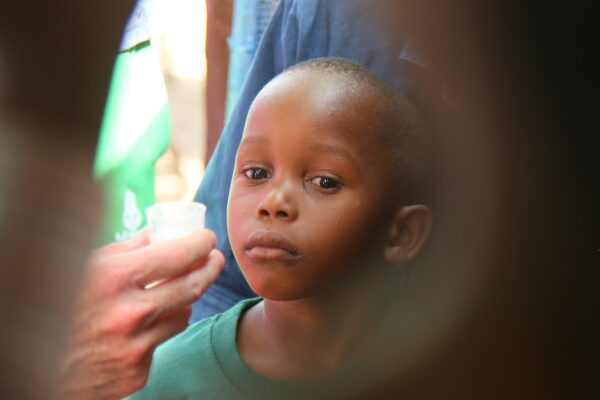
The Resiliency through Azithromycin for Children (REACH) Network is a groundbreaking regional and international collaboration dedicated to significantly reducing child mortality in sub-Saharan Africa.
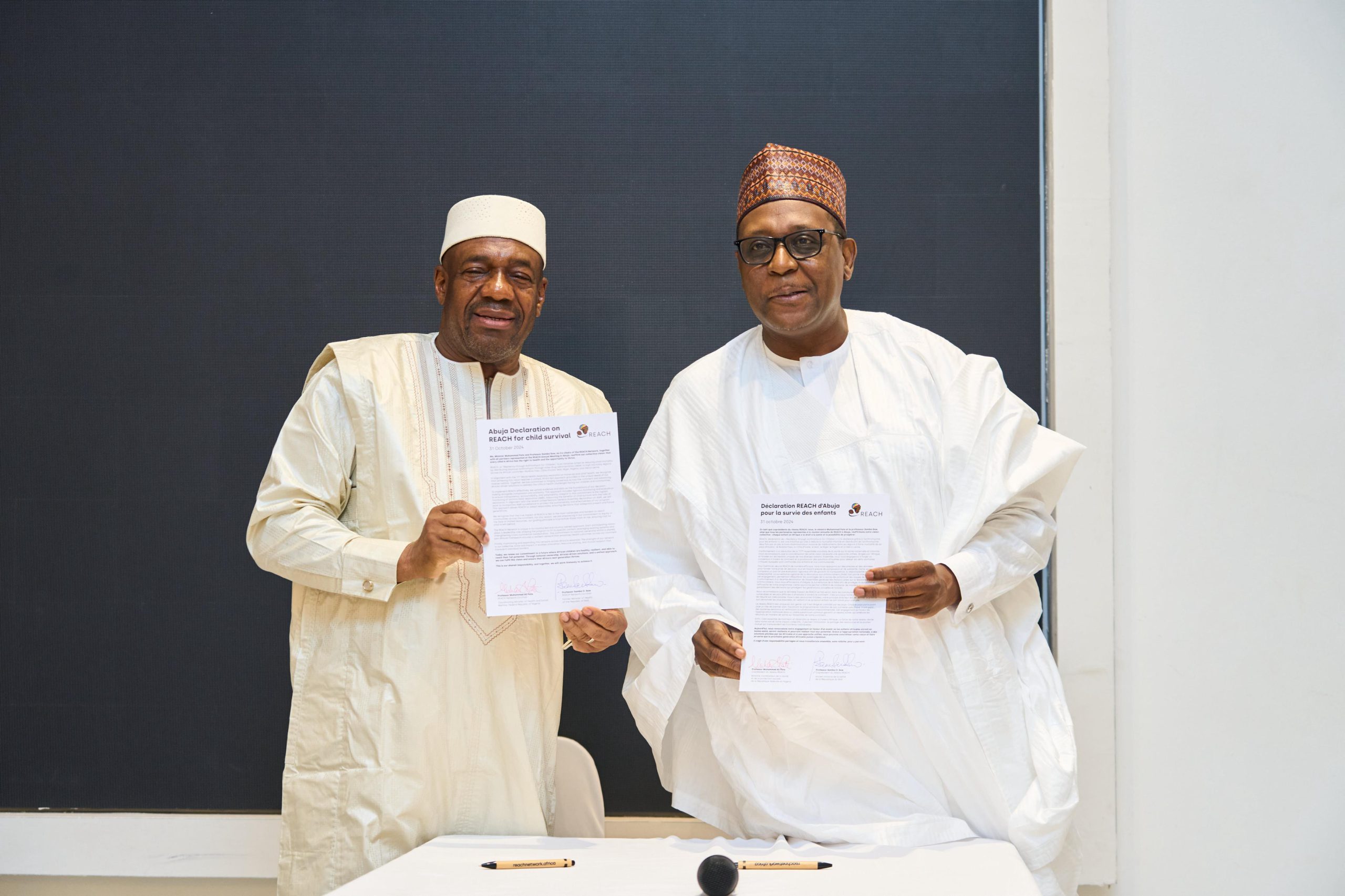
Rooted in the principles of the Abuja Declaration, REACH prioritizes national ownership, equitable access, sustainability, and rigorous monitoring to create a unified framework for addressing the pressing health challenges facing children in Africa. The country-led initiative brings together researchers, policymakers, and public health actors from across the continent, to improve child survival rates through evidence-based interventions.
A cornerstone of the REACH Network’s success is CVD-Mali’s role as Network Secretariat. Since 2022, CVD-Mali has provided essential regional coordination, ensuring continuity and trusted leadership for the Network’s operations.
Professor Samba Sow, Director-General of CVD-Mali, serves as Co-chair of the REACH Network, alongside Minister Muhammad Ali Pate, Coordinating Minister of Health and Social Welfare, Nigeria.
Professor Sow’s key leadership and advocacy are vital to the Network’s mission, driving discussion and fostering collaborations that bring about tangible health gains for children across the region.
The REACH Network operates as an advisory body, with country-led programs retaining independent decision-making. CVD-Mali, as Network Secretariat, facilitates regular structured online and annual in-person meetings.
Participation is voluntary and inclusive of government representatives, health officials, implementing organizations, researchers, and technical experts. The recently established Advisory Panel on Azithromycin for Child Survival (APACS), a joint initiative with the International Trachoma Initiative (ITI), provides independent expert advice on the safe, effective, and equitable allocation of donated azithromycin to reduce child mortality.
Key objectives:
The core objectives of the REACH Network are:
- To foster effective partnerships between national health systems and researchers for informed health decision-making and policy adoption.
- To enable multi-country and multi-partner technical and operational cross-learning.
- To support and facilitate the safe, effective, and equitable distribution of azithromycin for reducing childhood mortality.
- To optimize REACH-related country research and public health gains, aligning with national priorities.
- To advance knowledge, skills, and the shared REACH vision in key technical areas through dedicated thematic working groups, including on antimicrobial resistance, health economics, and mortality surveillance.
Details
Aim
The primary aim of the REACH Network is to improve child survival rates across participating African countries by ensuring the safe, equitable, and effective distribution of azithromycin. This intervention is based on the landmark MORDOR trial (conducted in Malawi, Tanzania, and Niger between 2014 and 2017), which showed a reduction of up to 18 in mortality following the distribution of azithromycin to children aged 1-59 months. The Gates Foundation and its partners are supporting countries in adopting this child survival strategy.
Scope
The REACH Network currently comprises Mali as well as Burkina Faso, Côte d’Ivoire, Niger, Nigeria, and Sierra Leone. The initiative focuses on the mass distribution of azithromycin to children aged 1-59 months in high-mortality populations. The Network also addresses broader public health issues, including antimicrobial resistance (AMR) monitoring and mortality surveillance, while furthering discussions on equity, health economics, and policy development.
Timeline
- November 2022: The REACH Network is instigated, and CVD-Mali invited to assume the role of Network Secretariat
- November 2023: The REACH Network is officially launched, at the 2023 REACH Network Annual Meeting in Dakar, Senegal
- January 2024: Phase 1 operational milestones achieved
- November 2024: Gates Foundation funding for Phase 2 confirmed. Second Annual Meeting, in Abuja, Nigeria
- August 2025: Phase 2 of the program operational and exceeding milestones
- December 2025: A series of important meetings are planned, including the REACH Network Annual Meeting 2025, AMR Data Review Meeting, Advisory Panel on Azithromycin for Child Survival (APACS) Meeting, and REACH Network Laboratory Meeting.

Latest REACH Network news

by Dr Camilla Ducker on 08/03/2026 at 11:11 am
A reflection on International Women’s Day 2026 by Dr Camilla Ducker, Director of the REACH Network #GiveToGain The 2026 International Women’s Day theme, #GiveToGain, challenges the idea that giving diminishes
by REACH Secretariat on 06/03/2026 at 12:00 pm
The theme of this year’s International Women’s Day, “Give to Gain”, could not be more apt for the REACH Network, which is powered by extraordinary women who give of their
by REACH Secretariat on 11/02/2026 at 11:29 am
#FEBRUARY11 On the International Day of Women and Girls in Science, the REACH Network is proud to celebrate women whose scientific expertise, technical leadership, and operational excellence drive its mission