overview
Timely and accurate disease surveillance is crucial for effective public health, enabling rapid responses to minimize illness, avert deaths, and reduce economic disruption.
Ebola outbreaks in West Africa and the COVID-19 pandemic underscored the urgent need for innovative approaches to bolster existing surveillance systems.
This project, led by CVD-Mali in collaboration with the Malian Ministry of Health and supported by the Gates Foundation, focuses on community-based surveillance (CBS) as a vital strategy to improve health security. CBS actively involves communities in detecting, reporting, responding to, and monitoring health events, fostering greater resilience and a quicker response to emerging health risks.
This initiative builds upon Mali’s existing framework for post-mass drug administration (MDA) surveillance for neglected tropical diseases (NTDs). By leveraging trained community health workers, known as “relais communautaires,” this project aims to integrate post-MDA surveillance into the national health system, promoting sustainability and informed decision-making.
Key objectives:
- To strengthen Mali’s capacity to operate a community-based multi-disease surveillance system, with a particular focus on outbreak and epidemic diseases. This includes training and equipping relais, supervisors, and health facility staff, ensuring timely and accurate communication of alerts and reports, and developing community knowledge and capacity for information sharing.
- To support improved pandemic response through a community-based multi-disease surveillance system. This objective aims to build community capacity for immediate actions through community-based first-responder networks (e.g., to support isolation and containment measures), to reduce stigma, such as to facilitate effective reporting and responses, and to promote and support health system-initiated responses.
- To contribute to improved post-elimination surveillance for neglected tropical diseases (NTDs). This involves enhancing community-based syndromic identification and health facility screening, and augmenting Mali’s capacity for an integrated primary healthcare and NTD surveillance system.
The potential integration of this system entirely within national systems will be explored once the utility and viability of the pilot has been established.
Details
Aim
The principal aim of this project is to evaluate the practicality of using a community health worker system, currently operational for neglected tropical disease programs, to improve both community-based surveillance and pandemic preparedness in Mali. Ultimately, the goal is to provide evidence of the utility of this community-based approach and generate lessons for scaling up surveillance efforts across Mali and, potentially, other countries too.
Scope
This project is being implemented in the Kita and Kangaba regions of Mali, with a focus on villages that already have LAKANA-study-supported relais communautaires and that are prone to epidemics or have areas of epidemic interest (e.g., border regions, areas with close animal-human settlements). The project encourages participation and collaboration among a wide range of stakeholders, including Malian government bodies (the Ministries of Health, Agriculture, Livestock, and the Environment), data and surveillance partners, district and community health personnel and representatives, as well as community leaders, and community members.
Timeline
The project commenced in November 2022 and its initial phase ran until July 2024. Data collection occurred from April 2023 to March 2024.
Implementation & Oversight
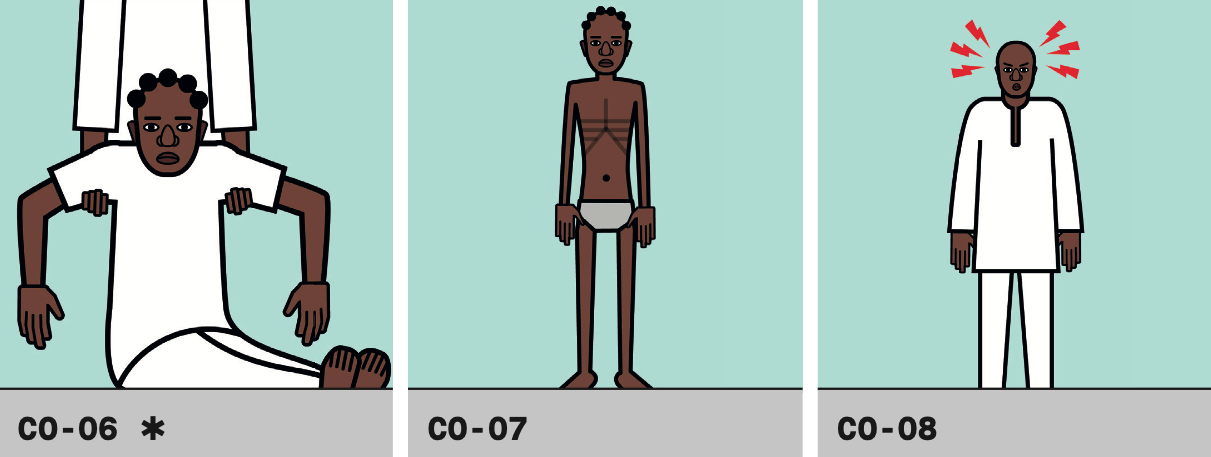
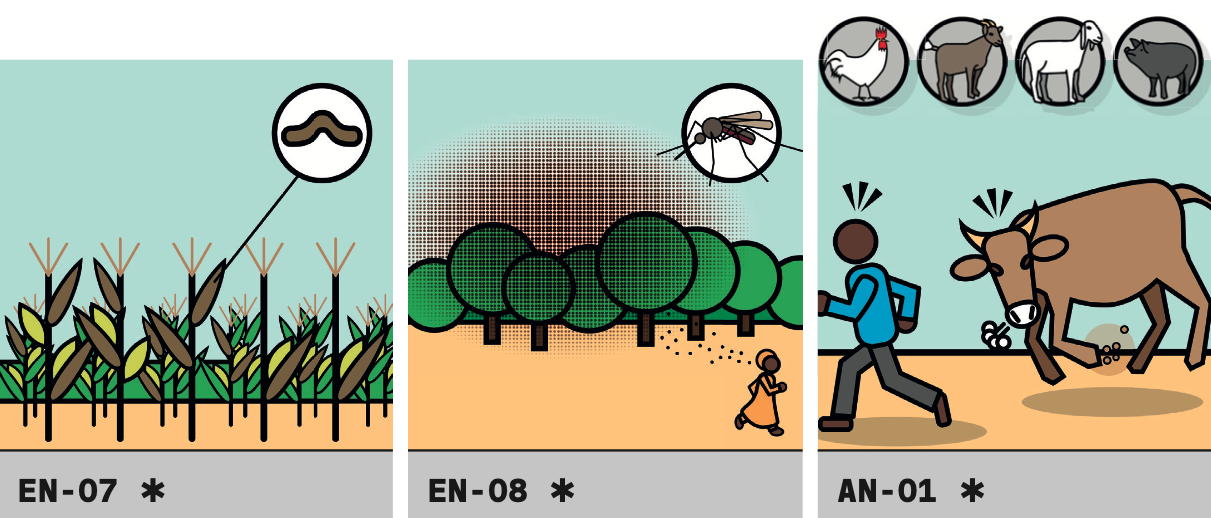
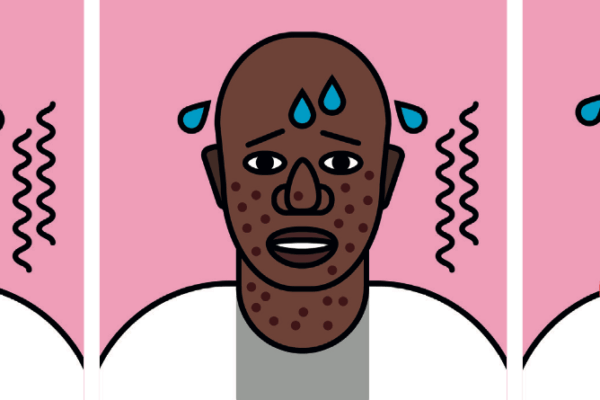
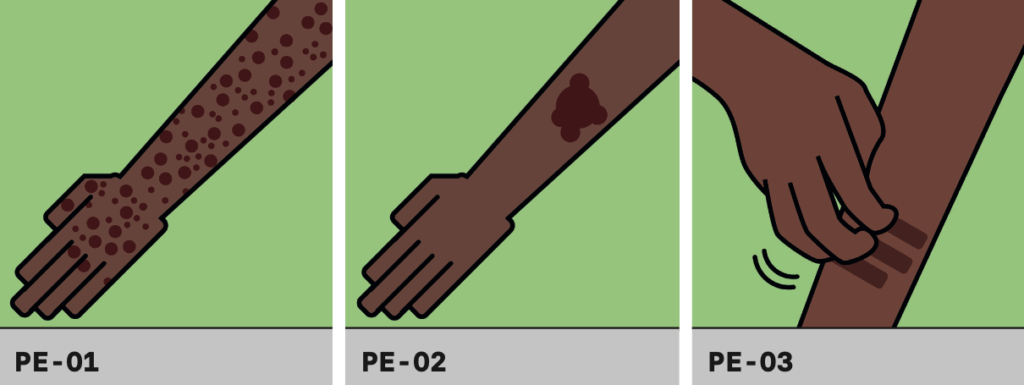
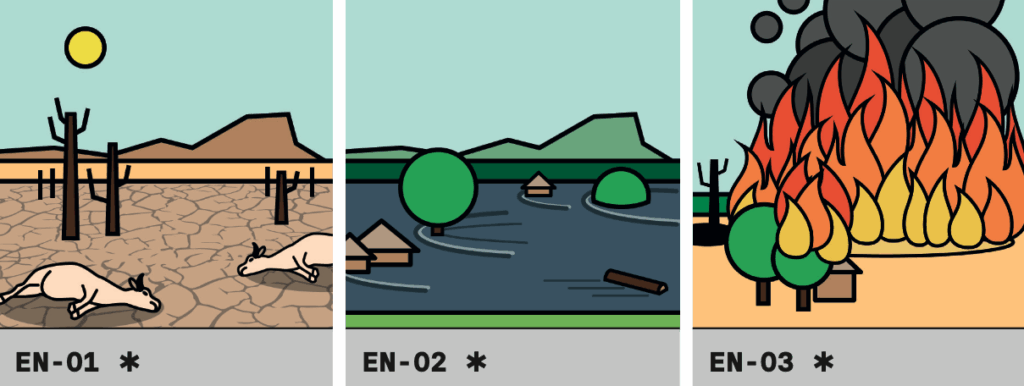
The project follows an implementation research model, conducted through existing public health systems and community structures. Community engagement and participation are central to the project’s success. Community-based representatives, such as relais, selected by the community, were trained and equipped. Satellite surveillance individuals (including hunters, farmers, fishermen, teachers) communicated health rumours and alerts to their community representatives, who used picture-based tools and basic phones to identify alerts, which were then communicated to trained supervisors for verification and to advise on community-level responses. These alerts were forwarded to health facilities and/or animal authorities for further investigation and response.