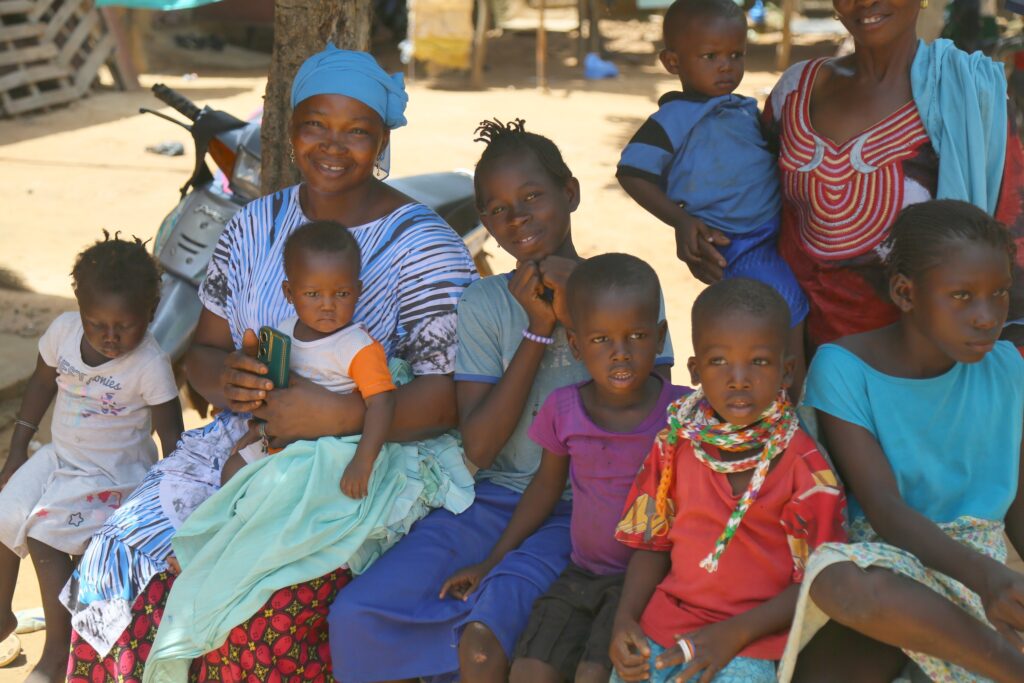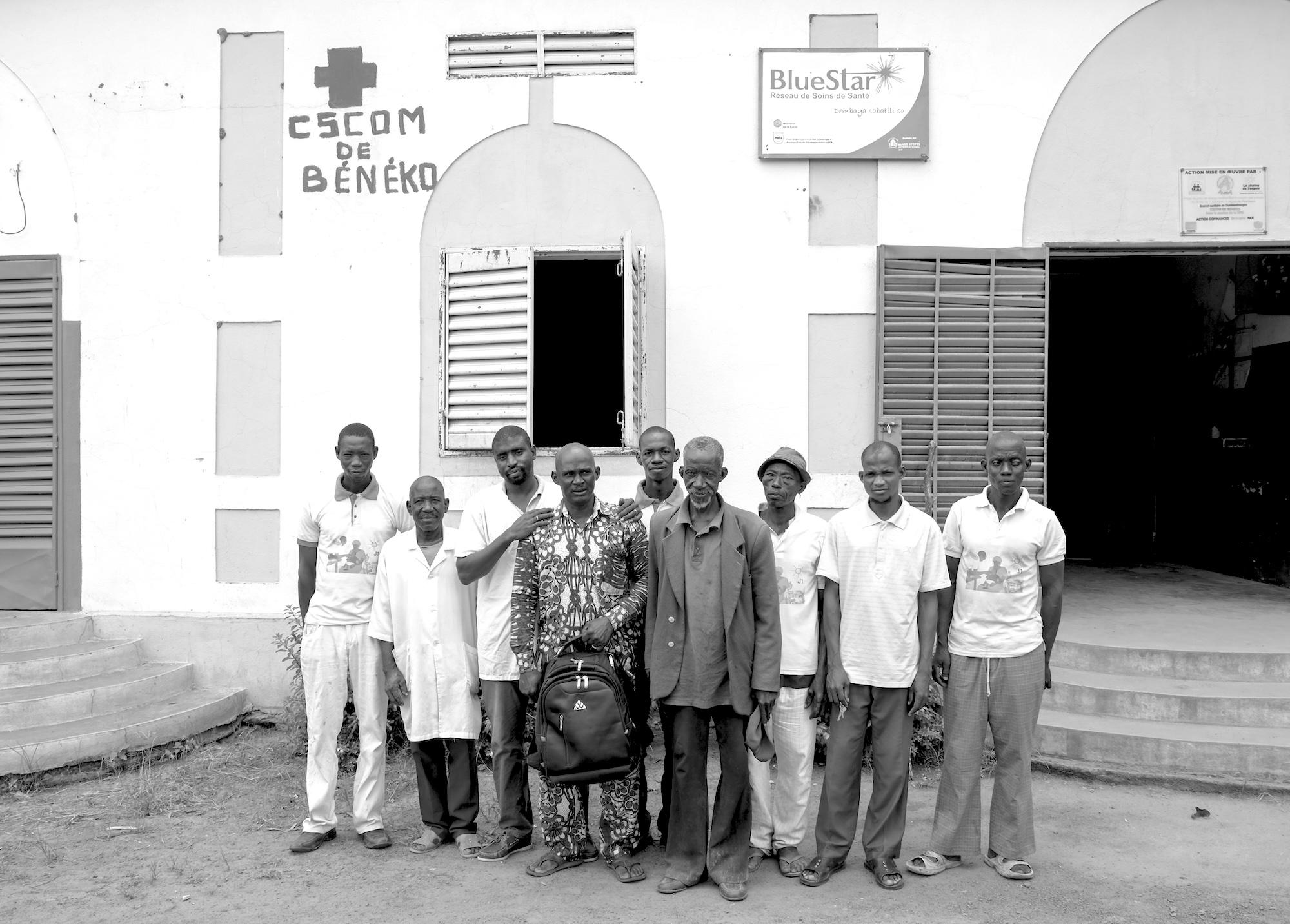
All of CVD-Mali’s work is grounded in one central objective: strengthening Primary Health Care (PHC) as the foundation for Universal Health Coverage (UHC) in Mali.
Primary Health Care is not an abstract policy aspiration. It is the daily interface between families and the health system. It is where prevention happens, where early detection saves lives, and where trust is built. In fragile and resource-constrained settings, strong PHC is the difference between resilience and vulnerability.
Since its inception, CVD-Mali has combined rigorous clinical and operational research with practical system strengthening. Scientific evidence is not collected for publication alone. It is generated to inform policy, shape national strategy, and improve routine delivery.
At its core, CVD-Mali’s mission is to ensure that routine health systems are equipped with greater capacity, stronger workforce support, and more effective surveillance, so that improvements are felt not only in urban centres but in remote and underserved communities across the country.
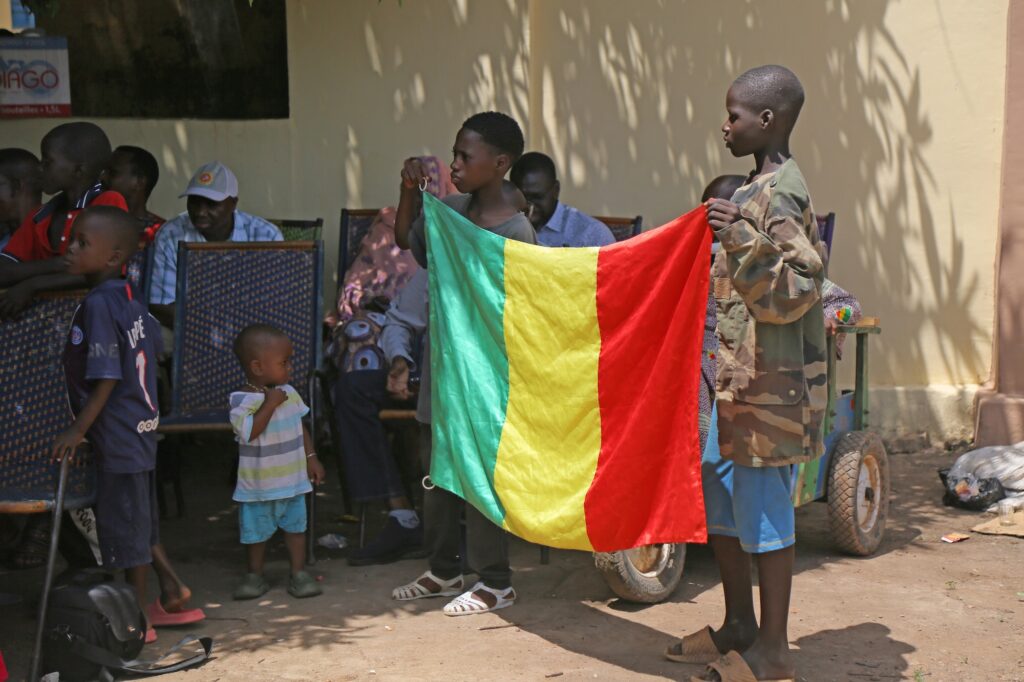
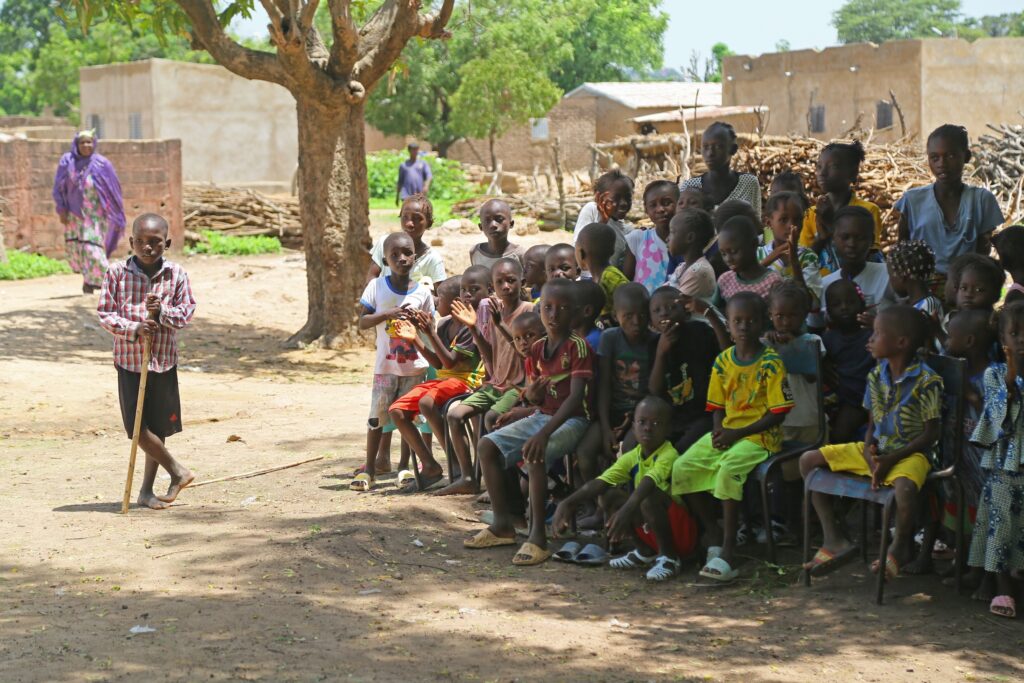
Working holistically to strengthen systems
A simple principle
CVD-Mali’s vision rests on a simple principle: research must translate into action through a strong national health system.
None of our work happens in isolation. Every intervention is embedded within Mali’s broader health architecture and aligned with national priorities.
Learning lessons
CVD-Mali maintains a longstanding and trusted partnership with the Ministry of Health and Social Development. This relationship ensures that lessons learned from field implementation are rapidly translated into national policy and reform.
Foundational reforms
As Minister of Health and Social Development between 2017 and 2019, CVD-Mali Director-General, Professor Samba Sow, played a central role in advancing foundational reforms to Mali’s health system. These reforms prioritised free health care for pregnant women and children under five years of age and strengthened community-level services. They marked a significant shift towards equity and expanded access to care.
CVD-Mali continues to support and operationalise these reforms, ensuring that policy commitments are realised in practice at the community level.
Community health as the front line of reform
Primary Health Care reform only succeeds if it reaches communities.
CVD-Mali’s approach places community health workers at the centre of service delivery. A national network of trained community health workers, supported by CVD-Mali, brings essential services directly to households. These workers are often the first point of contact for families, especially in areas where formal facilities are distant or difficult to access.
Through ongoing training, supervision, and operational support, CVD-Mali strengthens the capacity of this workforce to deliver:
- Child survival interventions
- Maternal and newborn care
- Nutrition services
- Vaccination outreach
- Disease surveillance
In a context where many Malians lack formal health insurance and financial barriers remain significant, community-based delivery ensures that care is accessible, affordable, and trusted.
Progress for mothers and children
CVD-Mali continues to build on national PHC reforms through large-scale, system-aligned interventions that directly reduce child and infant mortality.
Hosting the REACH Network secretariat as well as scaling up the REACH programme nationally, CVD-Mali supports the integration of mass administration of azithromycin for children aged 1–59 months with routine immunisation, nutrition services, and other child survival platforms. Delivered through routine systems rather than parallel structures, these interventions are reducing mortality rapidly, equitably, and cost-effectively in high-burden settings.
Under REACH Mali, implementation is deliberately structured to prioritise hard-to-reach and historically underserved communities. Equity is not an afterthought; it is operationalised through delivery sequencing, supervision, and data-driven targeting.
Beyond child survival, CVD-Mali’s operational research portfolio includes community-based initiatives such as the Home Birth Bundle, designed to improve maternal and newborn outcomes by bringing essential interventions directly into communities.
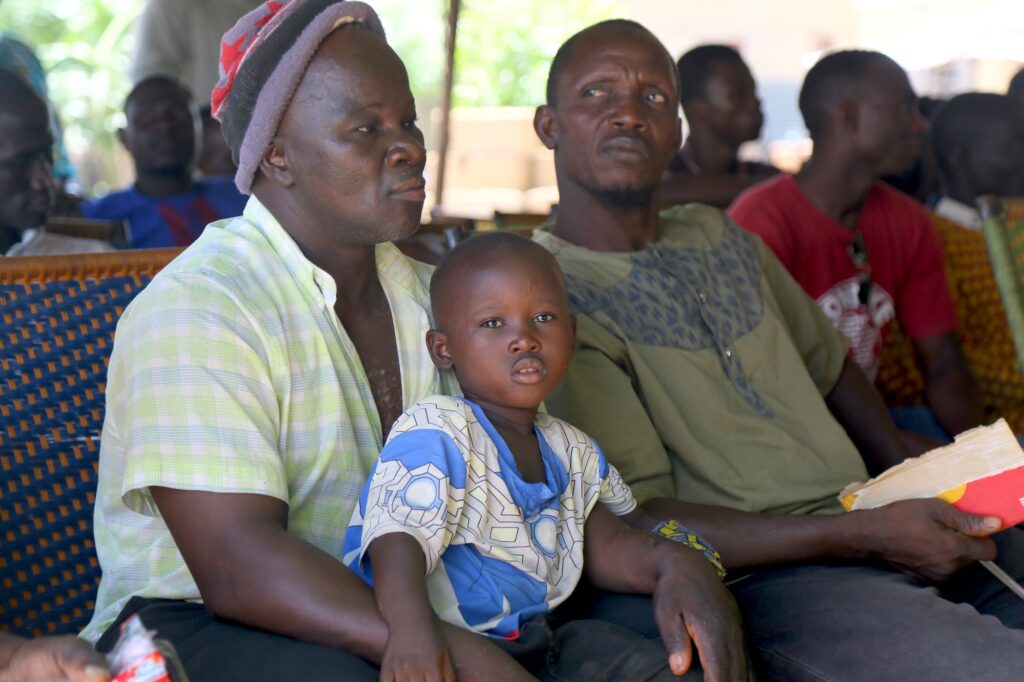
Building local capacity and surveillance
Strong Primary Health Care depends on robust surveillance and trained personnel.
CVD-Mali supports community-based surveillance systems that detect early signs of outbreak-prone diseases such as cholera and measles. These systems strengthen the link between communities and the formal health sector, enabling faster response and improved local accountability.
Workforce development is central to CVD-Mali’s identity. Continuous training and mentoring of field teams, community health workers, laboratory staff, and supervisors ensures that Mali’s health system is not only expanded but strengthened.
By investing in people, CVD-Mali helps strengthen PHC structures, making them more resilient, adaptive, and able to respond to both routine needs and emerging threats.
Why strong Primary Health Care matters
Mali, like many countries, must work within limited resources. This makes evidence-based decision-making essential. Investments must be targeted, integrated, and designed to maximise both efficiency and impact.
Primary Health Care provides the platform for such integration. Bundling services such as vaccination, nutrition support, maternal health, and child survival interventions within PHC strengthens health-seeking behaviour, improves service uptake, and builds community trust.
Partnerships between government, researchers, implementing agencies, donors, local leaders, and communities reinforce this system-wide approach. CVD-Mali plays a bridging role within this ecosystem, ensuring that evidence, policy, and delivery remain aligned.
As a research and operational institution, CVD-Mali teams are trusted and welcomed in communities across Mali. That trust is built on consistency, accountability, and a commitment to strengthening national systems rather than creating parallel ones.
Together, through strong Primary Health Care and sustained reform, Mali can continue advancing towards Universal Health Coverage, ensuring that progress for mothers and children is equitable, sustainable, and grounded in resilient community systems.
As Professor Sow says,
If Primary Health Care does not reach the last village, it is not truly primary. Our responsibility is to ensure that every family feels the presence of a quality health system close to home.