REACH Mali: A new era for child health and community resilience
overview
CVD-Mali, in close collaboration with the Malian Ministry of Health and Social Development, is spearheading a transformative national health initiative: the REACH Mali program.
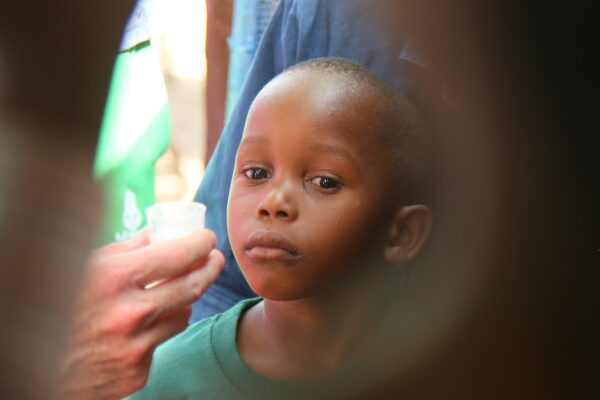
This ambitious program aims to significantly reduce child mortality in Mali by implementing a biannual mass drug administration of azithromycin to children aged 1 to 59 months. Building on robust scientific evidence from studies like MORDOR, which demonstrated an impressive 14-18% reduction in child mortality, REACH Mali is set to usher in a new era for child health in the country.
Commitment to equity
REACH Mali is an integrated drug administration program; a comprehensive suite of child survival interventions. It integrates essential healthcare strategies such as deworming, vitamin A supplementation, and nutritional support, ensuring a holistic approach to child well-being.
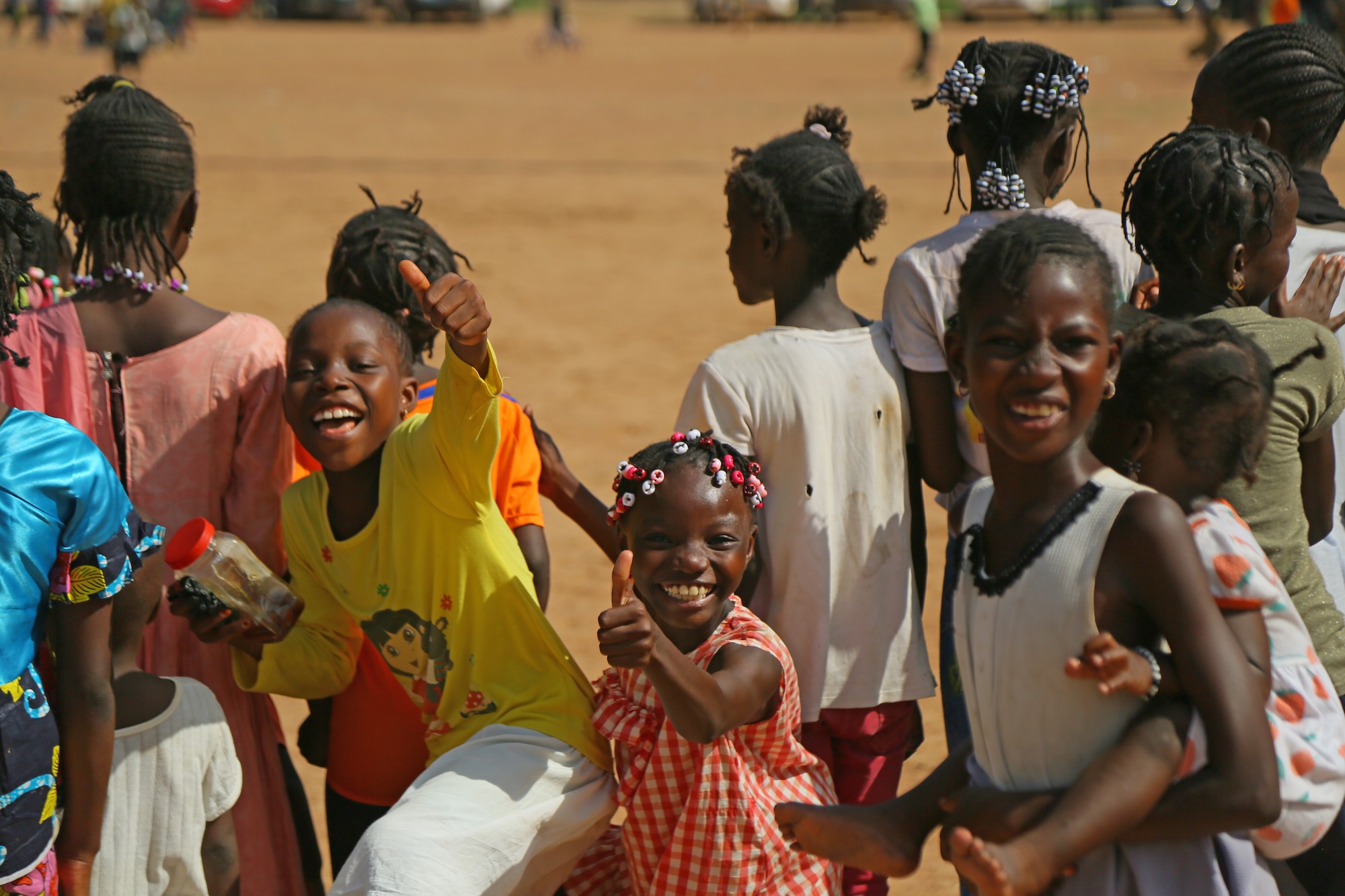
A core principle of the program is its unwavering commitment to equity, striving to reach even the most vulnerable and historically underserved communities, including those in the most remote areas, as well as nomadic and undocumented populations. This dedication ensures that the benefits of this life-saving intervention will extend to all children in Mali.
Key objectives:
REACH Mali has several key objectives to ensure its effectiveness and to inform ongoing and future public health interventions:
- Mortality reduction: To determine whether azithromycin MDA reduces mortality in children aged 1-59 months by 10% over the initial three-year program.
- Morbidity reduction: To assess the impact of the program on morbidity from common childhood infections like malaria, diarrhea, and lower respiratory infections.
- Antimicrobial Resistance (AMR) Monitoring: To continuously monitor changes in resistance to azithromycin and other antibiotics, using both community-based surveys and facility-based surveillance. This crucial aspect ensures the long-term effectiveness of azithromycin and informs antimicrobial stewardship programs.
- Safety/Pharmacovigilance: To monitor and evaluate any adverse events associated with the intervention.
- Implementation coverage and fidelity: To track the intervention’s reach and adherence to program protocols, ensuring high coverage and quality of delivery.
- Cost-effectiveness: To analyze the economic efficiency of the intervention and inform sustainable funding models.
Details
Aim
The fundamental objective of the REACH Mali program is to cover all administrative regions of Mali over a three-year period, delivering azithromycin biannually to all eligible children aged 1 to 59 months.
This national scale-up is designed to translate clinical research into impactful public health action, ultimately reducing under-5 child mortality rates in Mali by an estimated 15% over the period of the intervention. The broader REACH Network, of which REACH Mali is a vital part, envisions saving some 150,000 young lives across West Africa by 2028.
Scope
The REACH Mali program is national in scope, progressively expanding its reach across all administrative regions of Mali. While the immediate treatment and monitoring and evaluation activities are concentrated in the five most populous southern regions where 90% of the population resides, the program will ultimately cover the entire country. This phased expansion allows for continuous learning and adaptation, ensuring that the intervention is delivered effectively and efficiently across diverse geographical and social landscapes.
Timeline
The REACH Mali program has a structured and progressive timeline:
- August 2024: National azithromycin distribution commenced with a pilot round in Baroueli, Ségou Region, in partnership with the Semaines d’Intensification des Acitvités de la Nutrition (SIAN), administering over 70,000 doses.
- January-February 2025: The first major round of MDA took place in six districts of the Sikasso Region, providing over 650,000 doses.
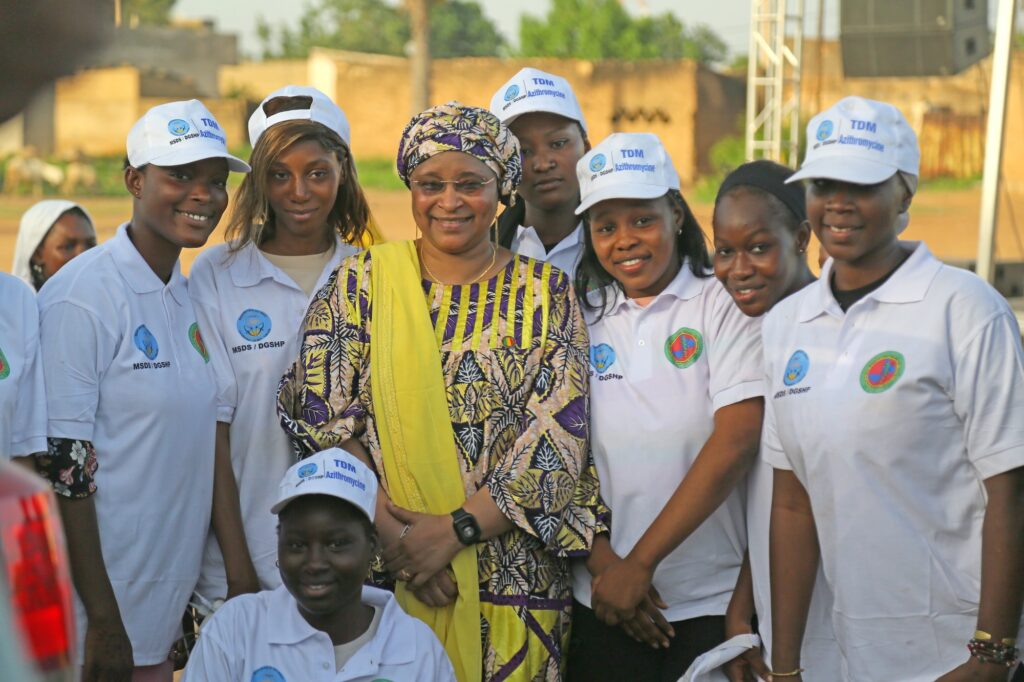
- June 18, 2025: The official national launch of REACH Mali occurred in Samaya, Koulikoro Region, presided over by the Minister of Health and Social Development.
- July 2025: As of July 23, 2025, over 2 million children have been treated. MDA activities are ongoing in the Koulikoro, Mopti, Ségou, and Kayes regions.
Implementation
The implementation of REACH Mali is a collaborative effort led by CVD-Mali with the guidance of the Malian Ministry of Health and Social Development, in partnership with local and international stakeholders. The intervention is delivered through existing health systems and community platforms, ensuring sustainability and integration with ongoing health programs like SIAN. Key aspects of implementation include:
- Microplanning and enumeration: Detailed microplanning and enumeration are crucial for identifying and reaching all eligible children, including those in hard-to-reach and undocumented communities.
- Multi-intervention delivery: The program integrates the delivery of azithromycin with vitamin A, albendazole for deworming, and nutritional supplements, maximizing impact and efficiency.
- Community engagement: Strong community engagement and very few refusals have been observed, highlighting the positive reception of the program at the grassroots level.
- Addressing challenges: The program actively addresses operational challenges such as adapting microplanning to on-the-ground realities, ensuring financial sustainability, and navigating logistical difficulties in insecure areas or during heavy rains.
Oversight
REACH Mali benefits from rigorous oversight and data-driven decision-making. The National Institute of Statistics (INSTAT) plays a central role in data collection, mapping, and monitoring, utilizing robust data entry systems like CS Pro for quality control and efficient data management. A dedicated Data Coordination Panel, involving technical teams from INSTAT and CVD-Mali/Baltimore, ensures the harmonization and analysis of key performance indicators related to azithromycin distribution, coverage, and comprehensive Monitoring & Evaluation activities including AMR, mortality, and morbidity surveillance. Regular updates and discussions among key personnel and organizations, including the Gates Foundation, ensure accountability and continuous program improvement.
Latest REACH Mali news
-
Any effective vaccination strategy must reach zero-dose children
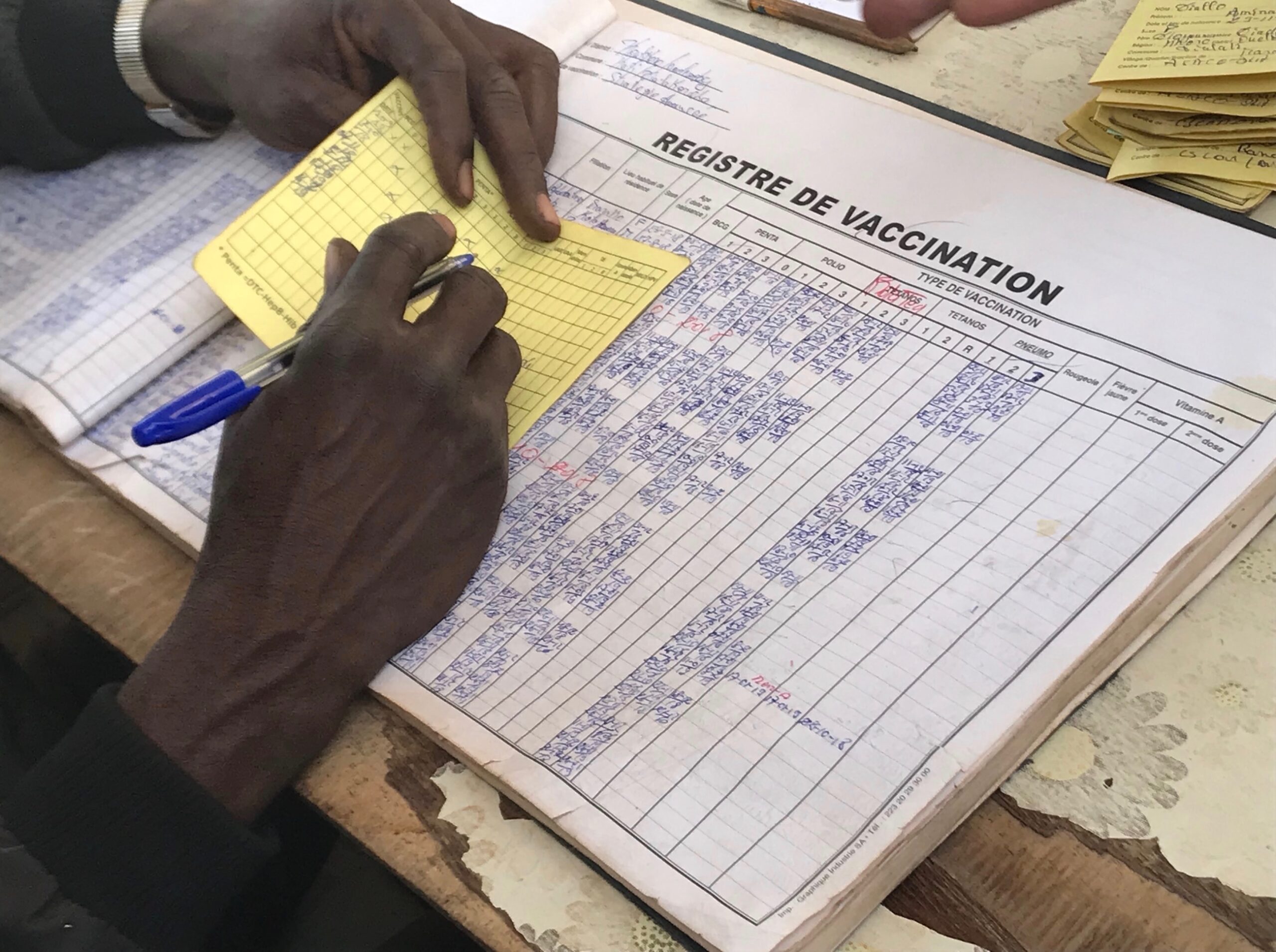
In every generation, vaccines work. This World Immunization Week, CVD-Mali celebrates the power of immunisation to protect children, families, and communities and to save lives across generations. That celebration, however, comes also with a reminder – that progress must be protected. Too many children still miss out on vital, potentially […]
-
REACH Mali instigating a new era for child health and community resilience
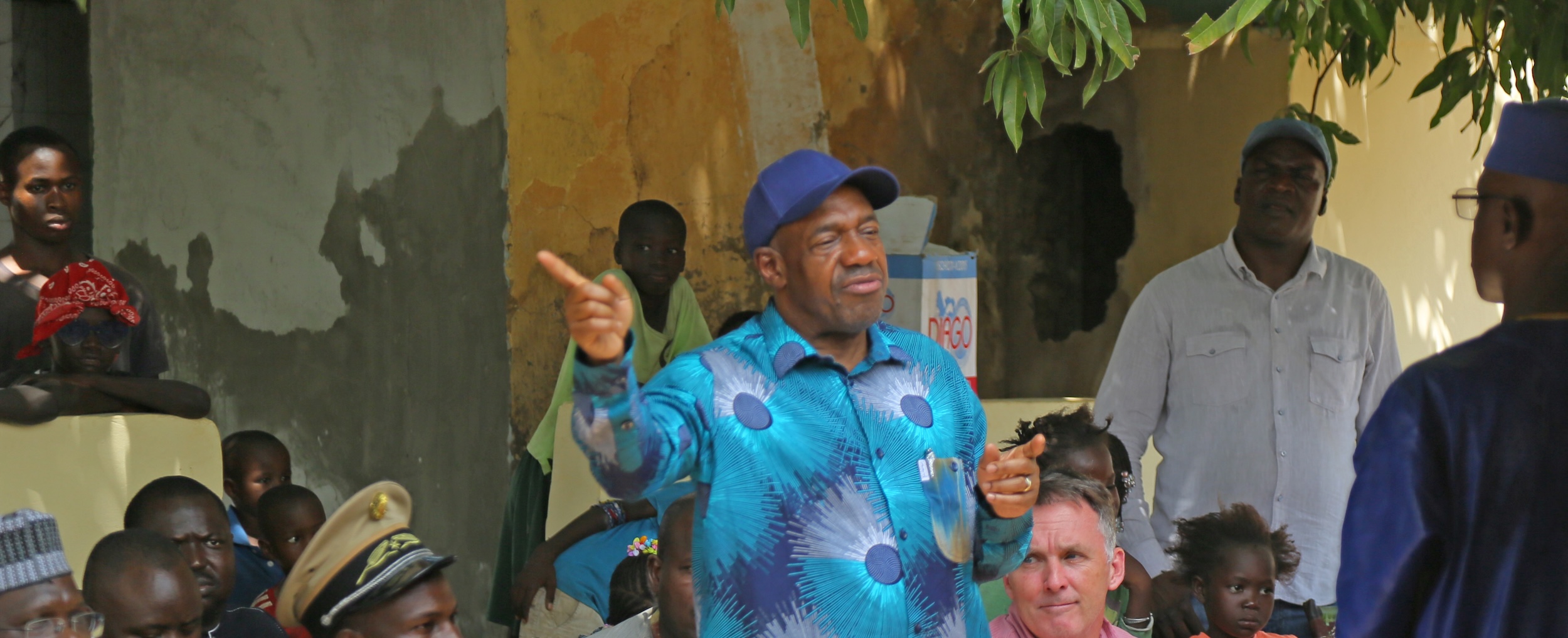
Child survival is coming to the fore as a major concern in Mali, as we seek to address the most persistent of challenges to our national health and development. With the launch of the REACH Mali platform, which will ultimately be scaled up to cover the whole of the country, […]
-
Reaching every child: Multi-intervention mass drug administration in Sikasso
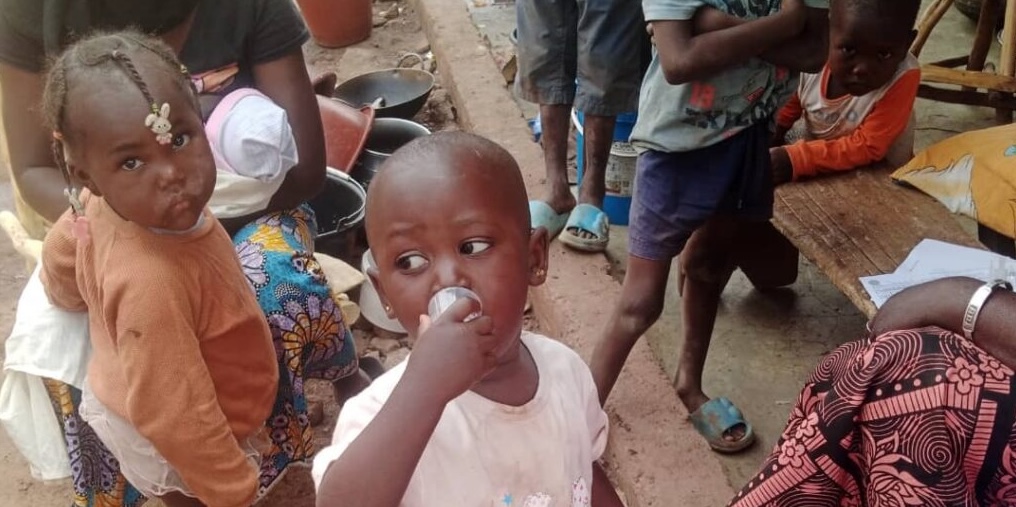
In January 2025, REACH Mali, in collaboration with the Malian Ministry of Health and Social Development, embarked on a groundbreaking mass drug administration (MDA) in the Sikasso region, aiming to address the pressing child health crisis in Mali. Over two weeks, an extraordinary campaign was carried out to ensure that […]
-
REACH Mali begins national azithromycin distribution in Ségou
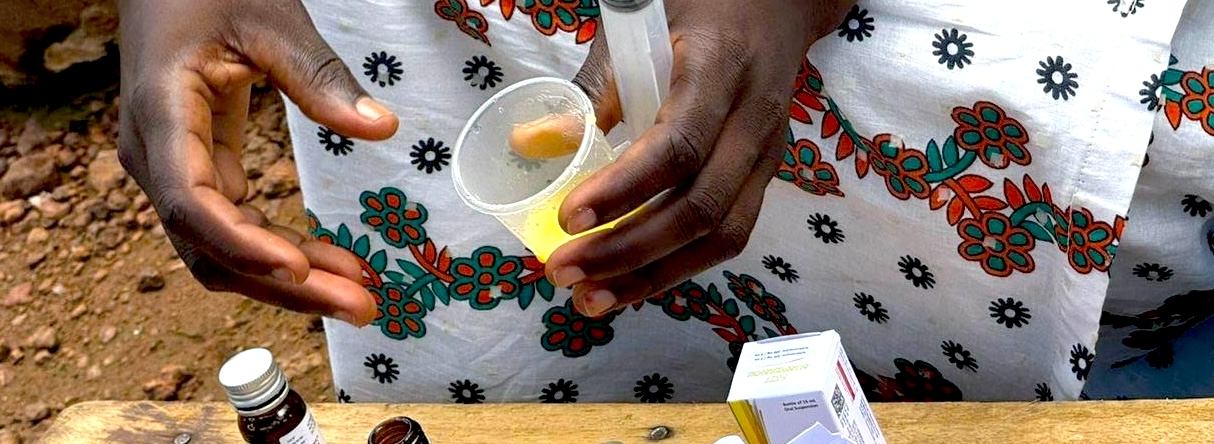
The REACH project to distribute azithromycin for child survival took a major step forward as Mali began rolling out its national scale-up of the life-saving intervention. On Friday, 2 August 2024, the REACH Mali team began mass drug administration (MDA) in Baroueli, in the Ségou region, some 200km east of the capital, […]