REACH Mali : une nouvelle ère pour la santé infantile et la résilience communautaire
Aperçu
Le CVD-Mali, en étroite collaboration avec le ministère de la Santé et du Développement social au Mali, mène une initiative nationale transformatrice en matière de santé : le programme REACH Mali.
Ce programme ambitieux vise à réduire de manière significative la mortalité infantile au Mali en mettant en place une administration massive biannuelle d’azithromycine aux enfants âgés de 1 à 59 mois. S’appuyant sur des preuves scientifiques solides issues d’études telles que l’étude MORDOR, qui a démontré une réduction impressionnante de 14 à 18 % du taux de mortalité infantile, REACH Mali est prêt à inaugurer une nouvelle ère pour la santé infantile dans le pays.
Engagement en faveur de l’équité
REACH Mali est un programme intégré d’administration de médicaments, un ensemble complet d’interventions visant à assurer la survie des enfants. Il intègre des stratégies de santé essentielles telles que le déparasitage, la supplémentation en vitamine A et le soutien nutritionnel, garantissant ainsi une approche holistique pour le bien-être des enfants.
L’un des principes fondamentaux du programme est son engagement inébranlable en faveur de l’équité, qui vise à atteindre même les communautés les plus vulnérables et historiquement défavorisées, y compris celles situées dans les zones les plus reculées. Cet engagement garantit que tous les enfants du Mali bénéficieront des avantages de cette intervention vitale.
Objectifs clés
REACH Mali s’est fixé plusieurs objectifs clés afin de garantir son efficacité et d’orienter les interventions actuelles et futures en matière de santé publique :
- Réduction de la mortalité : déterminer si l’administration massive d’azithromycine réduit la mortalité chez les enfants âgés de 1 à 59 mois de 10 % au cours des trois premières années du programme.
- Réduction de la morbidité : évaluer l’impact du programme sur la morbidité liée aux infections infantiles courantes telles que le paludisme, la diarrhée et les infections des voies respiratoires inférieures.
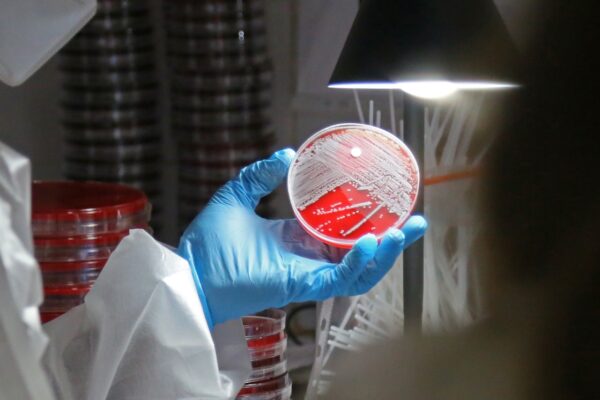
- Surveillance de la résistance aux antimicrobiens (RAM) : surveiller en permanence l’évolution de la résistance à l’azithromycine et à d’autres antibiotiques, à l’aide d’enquêtes communautaires et d’une surveillance en milieu hospitalier. Cet aspect crucial garantit l’efficacité à long terme de l’azithromycine et alimente les programmes de gestion des antimicrobiens.
- Innocuité/pharmacovigilance : surveiller et évaluer tout événement indésirable associé à l’intervention.
- Couverture et fidélité de la mise en œuvre : suivre la portée de l’intervention et le respect des protocoles du programme, en garantissant une couverture et une qualité de prestation élevées.
- Rentabilité : analyser l’efficacité économique de l’intervention et orienter les modèles de financement durables.
Détails
But
L’objectif fondamental du programme REACH Mali est de couvrir toutes les régions administratives du pays sur une période de trois ans, en distribuant deux fois par an de l’azithromycine à tous les enfants éligibles âgés de 1 à 59 mois.
Cette mise à l’échelle nationale vise à traduire la recherche clinique en actions de santé publique efficaces, afin de réduire le taux de mortalité des enfants de moins de 5 ans au Mali d’environ 15 % au cours de la période d’intervention. Le réseau REACH, dont REACH Mali est un élément essentiel, prévoit de sauver quelque 150 000 jeunes vies en Afrique de l’Ouest d’ici 2028.
Portée
Le programme REACH Mali a une portée nationale et étend progressivement son champ d’action à toutes les régions administratives du Mali. Si les activités immédiates de traitement, de suivi et d’évaluation se concentrent dans les cinq régions les plus peuplées du sud, où réside 90 % de la population, le programme couvrira à terme l’ensemble du pays. Cette expansion progressive permet un apprentissage et une adaptation continus, garantissant ainsi que l’intervention est mise en œuvre de manière efficace et efficiente dans des contextes géographiques et sociaux variés.
Chronologie
Le programme REACH Mali suit un calendrier structuré et progressif :
- août 2024 : la distribution nationale d’azithromycine a débuté par une phase pilote à Baroueli, dans la région de Ségou, en partenariat avec les Semaines d’Intensification des Activités de Nutrition (SIAN), permettant l’administration de plus de 70 000 doses.
- janvier-février 2025 : La première grande campagne d’administration de masse d’azithromycine a été menée dans six districts de la région de Sikasso, avec plus de 650 000 doses administrées.
- 18 juin 2025 : Le lancement national officiel de REACH Mali a eu lieu à Samaya, dans la région de Koulikoro, sous la présidence de Madame la minstre de la Santé et du Développement social.
- juillet 2025 : Au 23 juillet 2025, plus de 2 millions d’enfants avaient été traités. Les activités de l’administration de masse de l’azithromycine se poursuivent dans les régions de Koulikoro, Mopti, Ségou et Kayes.
Mise en œuvre
La mise en œuvre de REACH Mali est un effort collaboratif mené par le CVD-Mali sous la direction du ministère de la Santé et du Développement social, en partenariat avec des parties prenantes locales et internationales. L’intervention est mise en œuvre par le biais des systèmes de santé et des plateformes communautaires existants, ce qui garantit sa durabilité et son intégration dans les programmes de santé actuels tels que SIAN. Les principaux aspects de la mise en œuvre sont les suivants :
- Microplanification et recensement : Une microplanification et un recensement détaillés sont essentiels pour identifier et atteindre tous les enfants éligibles, y compris ceux vivant dans des communautés difficiles d’accès et sans papiers.
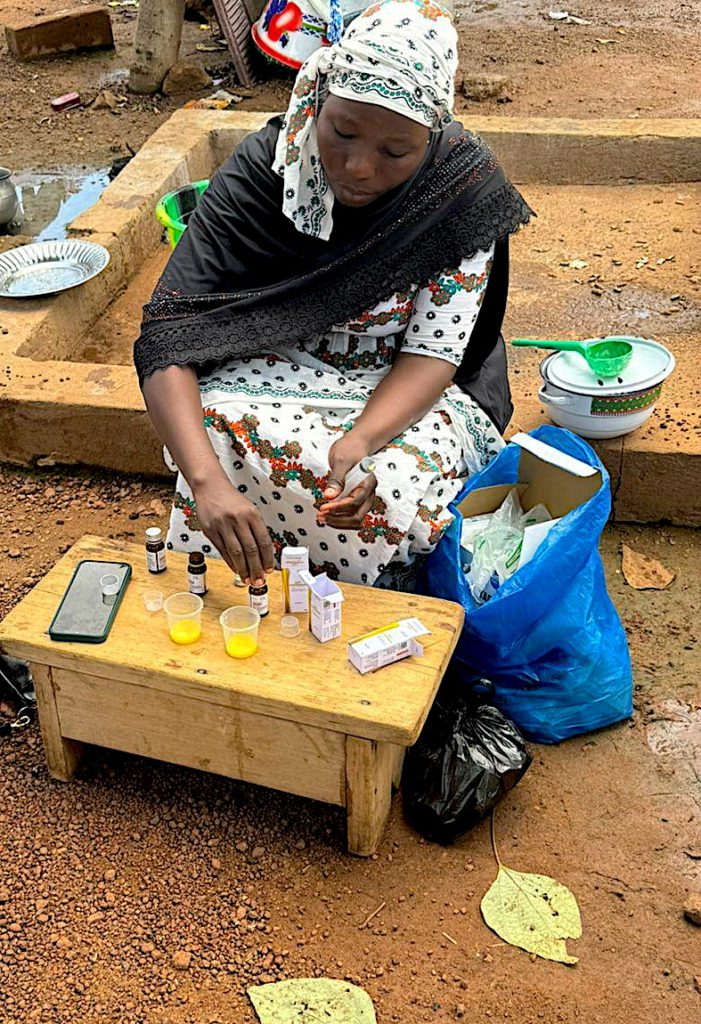
- Multi-intervention : Le programme intègre l’administration d’azithromycine avec de la vitamine A, de l’albendazole pour le déparasitage et des compléments alimentaires, maximisant ainsi son impact et son efficacité.
- Engagement communautaire : un engagement communautaire important, avec très peu de refus, a été observé, soulignant l’accueil positif réservé au programme au niveau local.
- Relever les défis : le programme s’attaque activement aux défis opérationnels tels que l’adaptation de la microplanification aux réalités du terrain, la garantie de la viabilité financière et la gestion des difficultés logistiques dans les zones instables ou pendant les périodes de forte pluie.
Supervision
REACH Mali bénéficie d’une surveillance rigoureuse et d’une prise de décision fondée sur des données. L’Institut national de la statistique (INSTAT) joue un rôle central dans la collecte, la cartographie et le suivi des données, grâce à l’utilisation de systèmes de saisie de données robustes tels que CS Pro pour le contrôle qualité et la gestion efficace des données. Un comité de coordination des données dédié, composé d’équipes techniques de l’INSTAT et du CVD-Mali/Baltimore, assure l’harmonisation et l’analyse des indicateurs de performance clés liés à la distribution et à la couverture de l’azithromycine, ainsi que des activités complètes de suivi et d’évaluation, notamment la surveillance de la résistance aux antimicrobiens, de la mortalité et de la morbidité. Des points régulièrs et des discussions entre les principaux acteurs et organisations, notamment la Fondation Gates, garantissent la responsabilité et l’amélioration continue du programme.
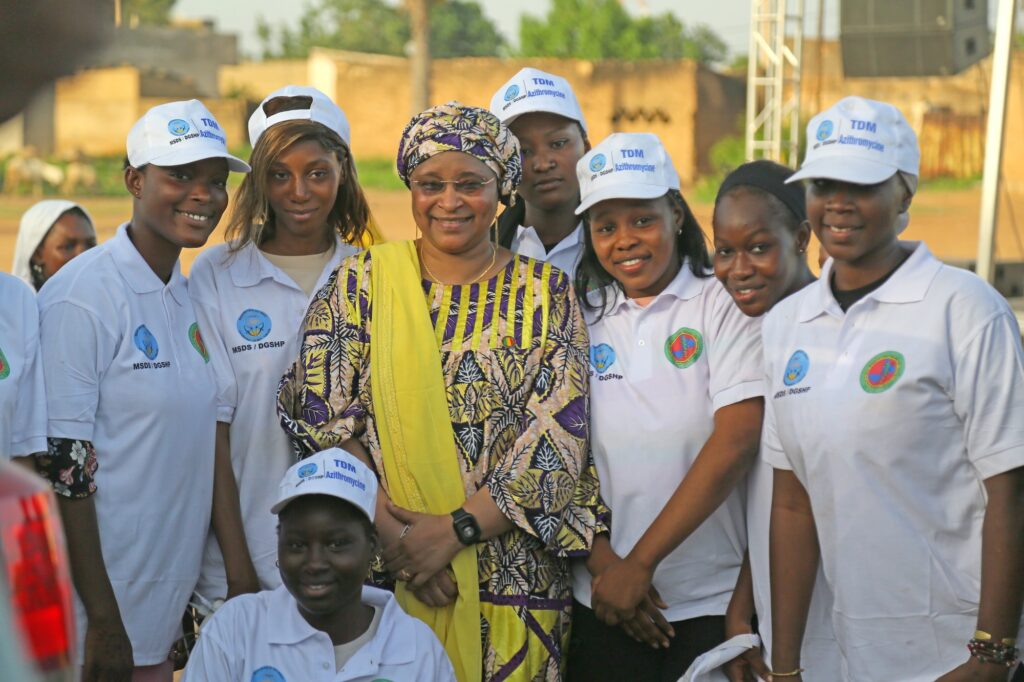

Actualités REACH Mali
-
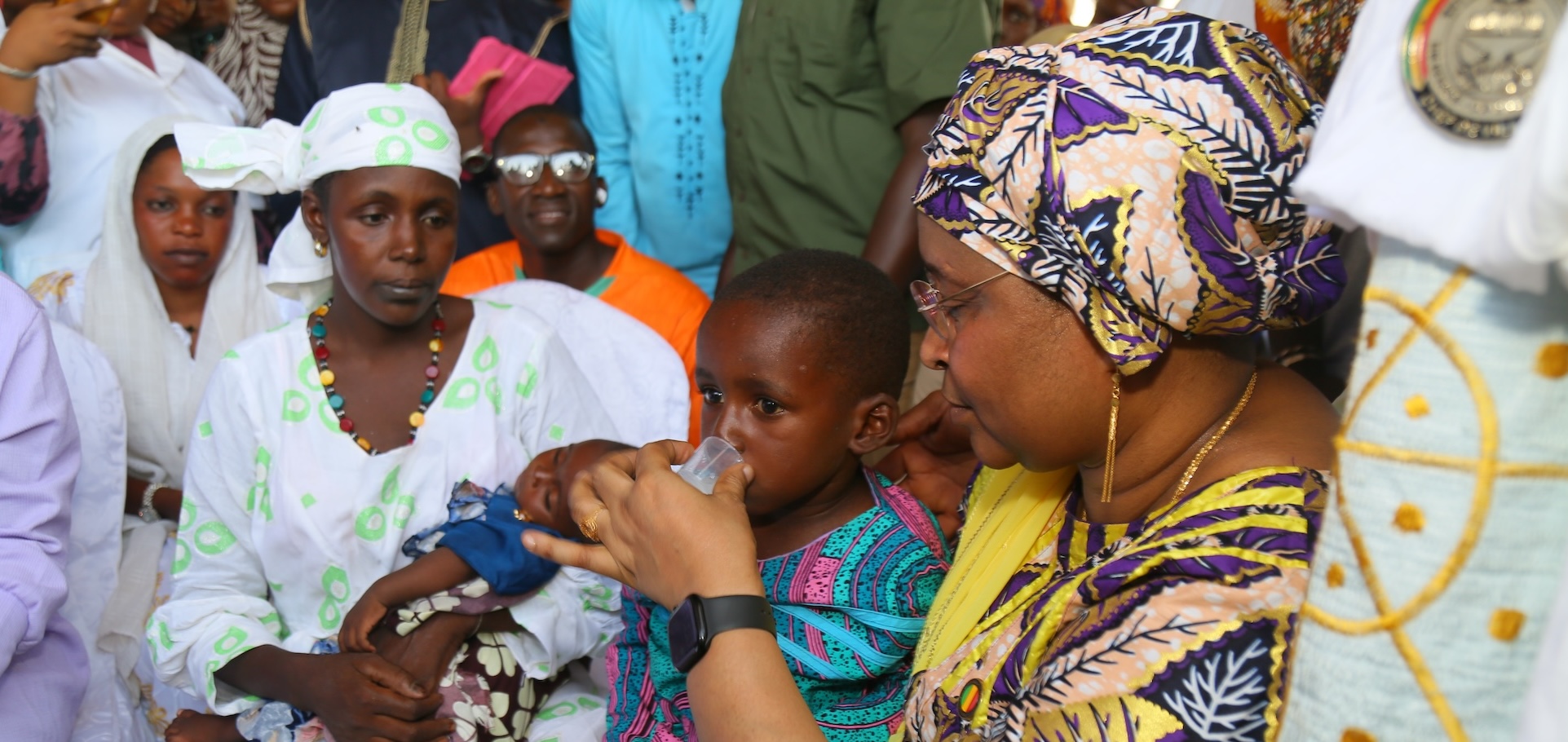
Lancement en fanfare de REACH Mali, ouvrant un nouveau chapitre dans la lutte contre les taux élevés de mortalité infantile
Le mercredi 18 juin 2025, le Mali a franchi une étape importante dans sa mission de lutte contre la mortalité infantile et néonatale. Le programme national REACH Mali de distribution d’azithromycine pour la survie de l’enfant a été officiellement lancé par Madame la ministre de la Santé et du Développement […]
-
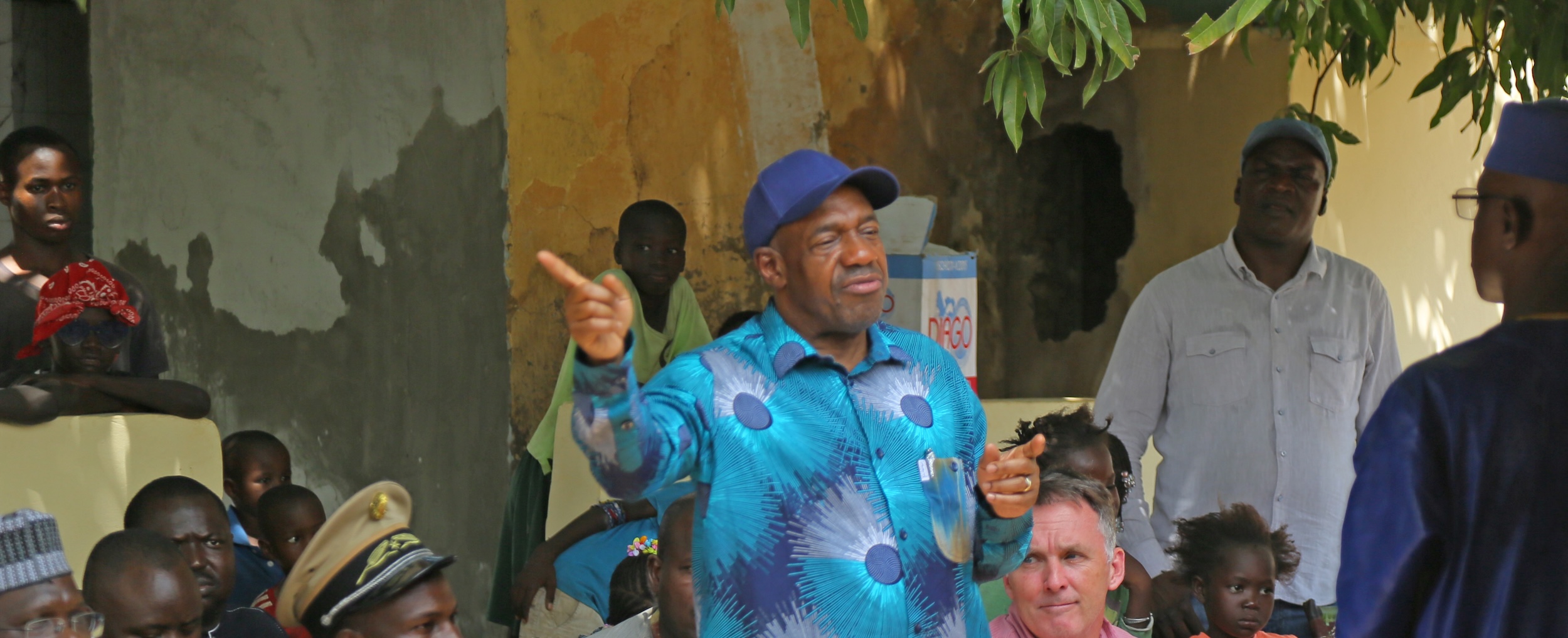
REACH Mali : vers une nouvelle ère pour la santé infantile et la résilience communautaire
La survie de l’enfant devient une préoccupation majeure au Mali, alors que nous nous efforçons de relever l’un des défis les plus persistants qui pèsent sur la santé et le développement de notre pays. Avec le lancement de la plateforme REACH au Mali, qui sera ensuite étendue à l’ensemble du […]
-
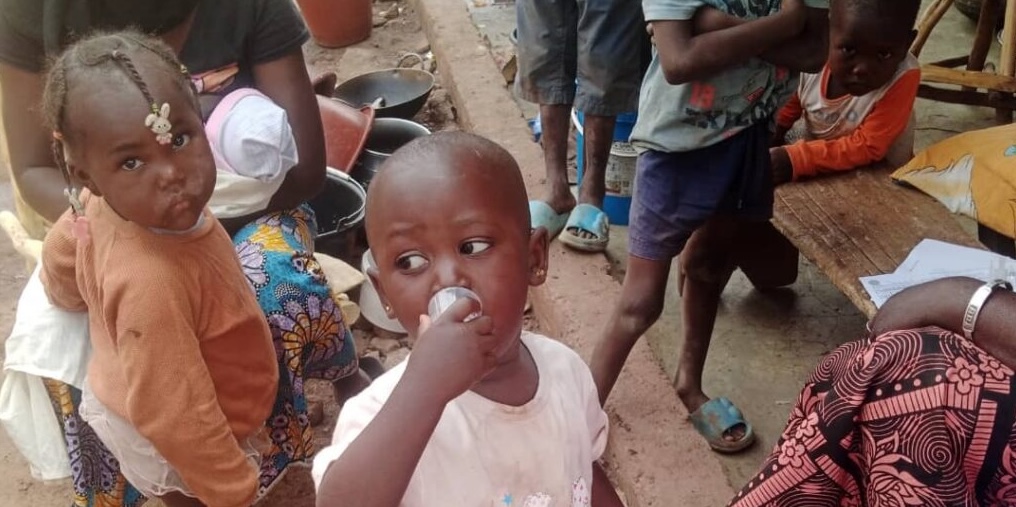
Atteindre chaque enfant : Interventions multiples à Sikasso
En janvier 2025, REACH Mali, en collaboration avec le ministère de la Santé et du Développement social du Mali, a lancé une opération inédite d’administration massive de médicaments (MDA) dans la région de Sikasso, dans le but de répondre à la crise urgente de la santé infantile au Mali. Pendant […]
-
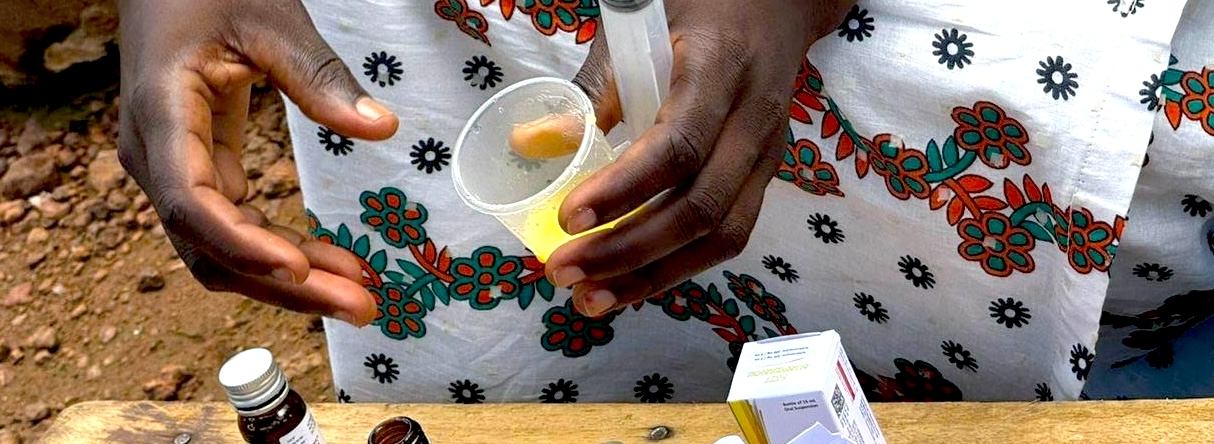
REACH Mali lance son programme national de distribution de l’azithromycine
Le projet REACH visant à distribuer de l’azithromycine pour la survie des enfants a franchi une étape importante cette semaine lorsque le Mali a commencé à mettre en œuvre sa stratégie pour déployer cette intervention vitale à l’échelle nationale. Le vendredi 2 août 2024, l’équipe de REACH Mali a commencé l’administration […]